U.S. vs. Global Wearable AI: Securing the Future
Anúncios
Secure wearable AI is becoming a strategic priority as the United States competes with global technology leaders in artificial intelligence and connected devices.
Smartwatches, intelligent glasses, and biometric sensors offer useful capabilities, but they also create important challenges involving privacy and cybersecurity.
This analysis explores American innovation, international competition, manufacturing risks, and the security standards shaping wearable technology in 2026.
The Rise of Wearable AI and Its Strategic Importance
Wearable artificial intelligence combines compact hardware, advanced sensors, and intelligent software to deliver information directly through devices worn by individuals.
Products such as smartwatches and connected glasses can process personal information, recognize activity patterns, and support daily communication.
The development of secure wearable AI has implications for consumer privacy, economic competitiveness, and national security as connected technology becomes increasingly widespread.
Defining Secure Wearable AI
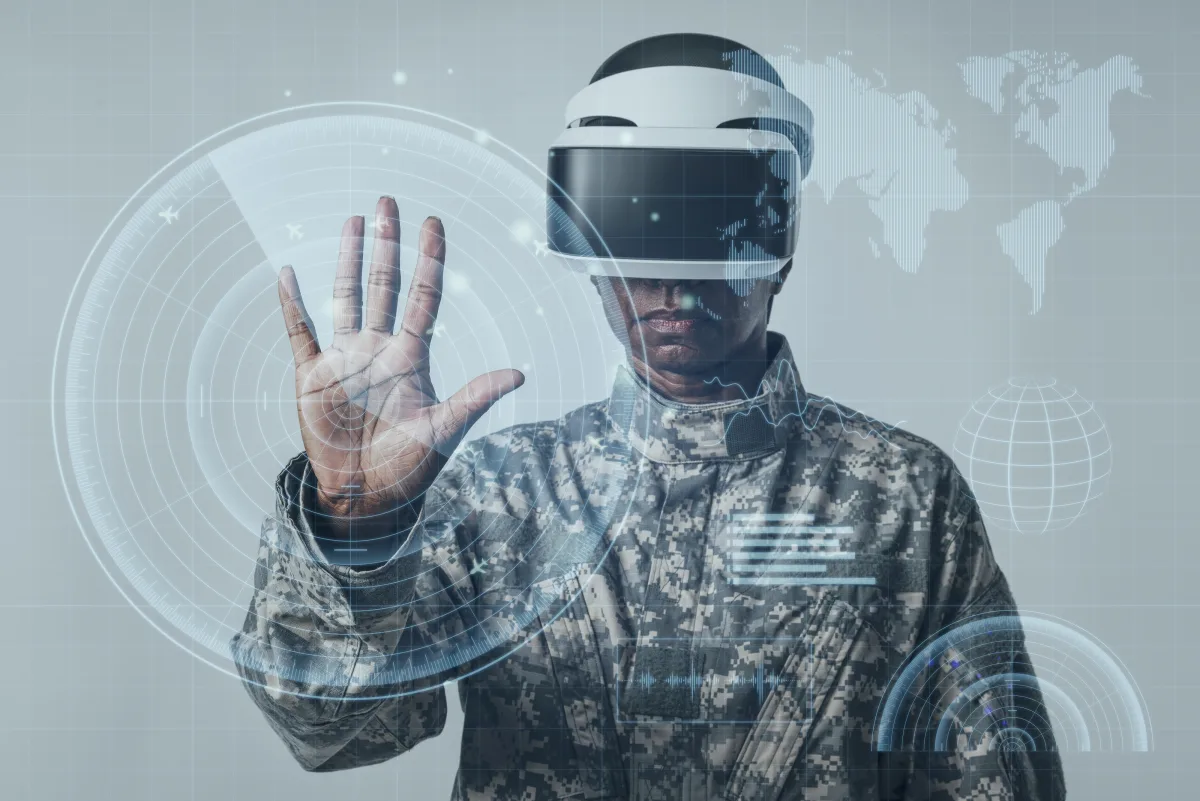
Secure wearable AI refers to connected wearable systems designed to protect sensitive information while maintaining reliable artificial intelligence functionality.
Effective protection involves device authentication, encryption, secure software updates, controlled data access, and safeguards against unauthorized modifications.
Developers must also consider how collected information is stored, transmitted, analyzed, and potentially shared with external service providers.
Domestic Innovation: Strengths and Challenges in the U.S.
The United States maintains significant advantages in artificial intelligence research, semiconductor design, software development, and technology entrepreneurship.
American companies and universities contribute to advances in machine learning, biometric sensors, specialized processors, and cybersecurity engineering.
However, secure wearable AI development also depends on manufacturing resilience, affordable components, consistent regulation, and long-term security maintenance.
Key U.S. Competitive Advantages
American technology companies benefit from established research institutions, experienced engineering teams, investment networks, and access to international markets.
These resources support experimentation with intelligent sensors, efficient processors, voice interfaces, and sophisticated on-device machine learning capabilities.
The secure wearable AI industry can build on these strengths by incorporating cybersecurity requirements throughout product design and development.
Global Competition and International Strategies
The international market for wearable artificial intelligence includes manufacturers, software developers, semiconductor suppliers, and research organizations across several regions.
China, Europe, South Korea, Japan, and the United States contribute different strengths to the development of connected devices.
Comparing secure wearable AI capabilities requires examining technological performance, manufacturing capacity, security practices, regulatory requirements, and consumer trust.
China's Expansion in Wearable Technology
Chinese manufacturers participate extensively in global electronics production, offering smartwatches, connected accessories, sensors, and increasingly sophisticated wearable products.
Companies such as Huawei and Xiaomi combine hardware development with software platforms, helping create integrated technology ecosystems.
However, evaluating secure wearable AI products requires specific technical evidence rather than assuming that manufacturing location alone determines cybersecurity quality.
Europe's Approach to Privacy and Wearable AI
European markets place substantial emphasis on personal data protection, transparency, and regulatory accountability for technology companies.
The General Data Protection Regulation establishes important obligations governing personal data processing, subject to its specific scope and requirements.
These obligations influence secure wearable AI development when products collect identifiable information from individuals covered by European data protection law.
How Regulatory Standards Influence Innovation
Privacy regulations can encourage manufacturers to limit unnecessary collection and explain how personal information is used.
Developers may need to provide appropriate consent mechanisms, user controls, security measures, and information about data retention.
For secure wearable AI manufacturers, incorporating privacy requirements early can reduce compliance challenges during international product expansion.
Data Security and Privacy: The Paramount Challenge
Wearable devices may collect information about physical activity, sleep patterns, location, and other aspects of everyday behavior.
When inadequately protected, personal information can become exposed through compromised accounts, insecure applications, or vulnerable communication systems.
Secure wearable AI therefore requires protection across the entire data lifecycle, from collection and processing to storage and deletion.
Understanding the Risks of Sensitive Information
Location histories and biometric measurements can reveal personal routines, relationships, and patterns that users may prefer to keep private.
Unauthorized access may contribute to privacy violations, targeted scams, or certain forms of identity theft when exposed information is misused.
Manufacturers should apply appropriate security controls while giving consumers meaningful ways to understand and manage their personal information.
Protecting AI Algorithms and Device Integrity
Wearable security extends beyond protecting stored information because attackers may attempt to interfere with device functionality or software behavior.
Compromised firmware, malicious applications, and unauthorized configuration changes can undermine the reliability of connected artificial intelligence systems.
Secure wearable AI designs should incorporate authenticated updates, access restrictions, vulnerability management, and mechanisms for detecting suspicious activity.
Why Software Updates Matter
Security updates allow manufacturers to address identified weaknesses after devices have entered the consumer market.
Without reliable update mechanisms, connected wearables may remain vulnerable even when manufacturers discover and develop solutions for security problems.
Consumers should examine support policies and update availability when comparing devices intended for long-term use.
The Role of Semiconductor Security
Modern wearable technology depends on compact processors capable of balancing computation, connectivity, battery efficiency, and security functions.
Hardware-supported protections can help isolate sensitive operations and strengthen the management of cryptographic credentials within compatible devices.
The future of secure wearable AI will partly depend on developing processors that support advanced functionality without excessive energy consumption.
Balancing Performance and Security
Wearable devices operate under constraints involving limited battery capacity, processing resources, physical dimensions, and thermal management.
Security engineers must therefore choose protections that work effectively without making products impractical for regular consumer use.
Efficient cryptography, trusted execution environments, and careful software design can contribute to this balance when properly implemented.
Supply Chain Security in the Global Market
Wearable products often contain components developed, manufactured, assembled, and distributed through complex international supply chains.
These arrangements create efficiencies but also introduce questions about component authenticity, software dependencies, and production oversight.
Secure wearable AI manufacturing requires appropriate supplier evaluation, traceability, quality assurance, and security testing throughout product development.
Reducing Manufacturing and Supplier Risks
Manufacturers can establish supplier requirements covering component integrity, secure development practices, and timely disclosure of identified vulnerabilities.
Independent testing and documented quality controls can help detect weaknesses before products reach consumers or organizational buyers.
However, domestic manufacturing alone does not guarantee security, making technical verification important regardless of supplier location.
National Security Implications of Wearable Devices
Connected wearables can create risks in sensitive environments when location signals, wireless communications, or personal information become accessible.
Personnel working in restricted facilities may require additional controls governing connected devices and the information they collect.
Understanding secure wearable AI threats involving international actors requires evidence-based analysis rather than assumptions about particular products.
Protecting Sensitive Operational Environments
Organizations may restrict wearable connectivity, location sharing, or recording functions when operational security requirements justify such measures.
Risk assessments should consider the device model, software configuration, wireless capabilities, collected information, and surrounding infrastructure.
Appropriate restrictions can reduce exposure without requiring the assumption that every wearable device presents an identical security threat.
Regulatory Frameworks and Ethical Considerations
The United States regulates aspects of privacy and cybersecurity through federal requirements, state laws, and sector-specific frameworks.
These rules may apply differently depending on whether wearable information involves consumer services, employment, healthcare, or other activities.
Secure wearable AI developers must identify the applicable obligations while incorporating transparent data practices and appropriate technical safeguards.
Ethical AI and Consumer Transparency
Artificial intelligence systems can produce inaccurate outputs, making reliability particularly important when devices influence consequential personal decisions.
Manufacturers should explain relevant limitations and avoid presenting automated inferences as guaranteed measurements of health or emotional states.
Transparent communication also helps consumers understand which information remains on the device and which data reaches external servers.
Official Cybersecurity Standards for Wearable AI
The National Institute of Standards and Technology provides cybersecurity guidance applicable to many categories of connected devices.
Its recommendations cover foundational development activities, technical capabilities, documentation, and manufacturer responsibilities related to product security.
These resources provide a useful reference for secure wearable AI companies evaluating cybersecurity requirements and long-term product support.
Understanding NIST's IoT Cybersecurity Guidance
The official NIST IR 8259 Revision 1 publication describes foundational cybersecurity activities for manufacturers of connected products.
Published in April 2026, this guidance emphasizes identifying security requirements and supporting customers throughout the product lifecycle.
Although not exclusive to wearables, its recommendations offer a relevant foundation for secure wearable AI security planning.
The Role of Government and Industry Collaboration
Developing reliable wearable artificial intelligence requires cooperation among technology manufacturers, research institutions, cybersecurity specialists, and public organizations.
These partnerships can support technical research, workforce development, standardized testing, and the exchange of relevant security information.
The secure wearable AI market may benefit from coordinated efforts that address shared challenges without discouraging responsible innovation.
Public-Private Partnerships for Security
Research partnerships can help develop secure hardware architectures, advanced cryptographic techniques, and improved methods for evaluating connected devices.
Industry participants can contribute implementation experience while academic institutions investigate emerging threats and potential protective technologies.
Government organizations may also support standards development and provide guidance on protecting critical information and infrastructure.
The Importance of Consumer Trust
Consumers may hesitate to adopt advanced wearable devices when information about privacy, security, and data collection remains unclear.
Transparent policies, dependable software updates, and accessible account controls can help build confidence in connected technology products.
Secure wearable AI manufacturers should communicate practical protections without making unrealistic claims about completely eliminating cybersecurity risks.
How Consumers Can Evaluate Wearable Security
Before purchasing a device, consumers can examine manufacturer support policies, security update commitments, and available privacy settings.
They should also consider whether applications request unnecessary permissions or transmit personal information to unfamiliar external services.
Responsible purchasing decisions involve comparing device capabilities and understanding the protections offered throughout the expected product lifespan.
Future Outlook and Recommendations for U.S. Leadership
The United States has opportunities to strengthen its position through investment in research, advanced manufacturing, cybersecurity, and specialized workforce development.
International cooperation may also help establish interoperable standards that support reliable products across different consumer and institutional markets.
Long-term secure wearable AI leadership will depend on measurable technological capabilities rather than assumptions about permanent national advantages.
Key Recommendations for U.S. Strategy
American manufacturers can prioritize secure product development, documented testing, transparent privacy practices, and dependable software maintenance.
Research institutions can investigate efficient AI processing, resilient hardware, and cryptographic approaches suitable for emerging cybersecurity requirements.
Policymakers and industry organizations should encourage evidence-based security standards while supporting innovation and international technical collaboration.
Emerging Technologies Shaping the Wearable AI Market
Future wearable devices may incorporate more powerful on-device artificial intelligence, advanced sensors, and increasingly sophisticated interaction methods.
Processing selected information locally can reduce certain transmission requirements, although security still depends on implementation and system architecture.
The secure wearable AI industry must evaluate these developments alongside energy efficiency, accessibility, maintenance costs, and user expectations.
On-Device AI and Privacy Protection
On-device machine learning allows selected calculations to occur directly within compatible hardware rather than relying entirely on remote services.
This approach may reduce some data transfers and latency, although local processing does not automatically prevent unauthorized access.
Manufacturers should combine efficient AI capabilities with appropriate encryption, authentication, and safeguards for stored information.
Security Challenges That Could Shape the Next Decade
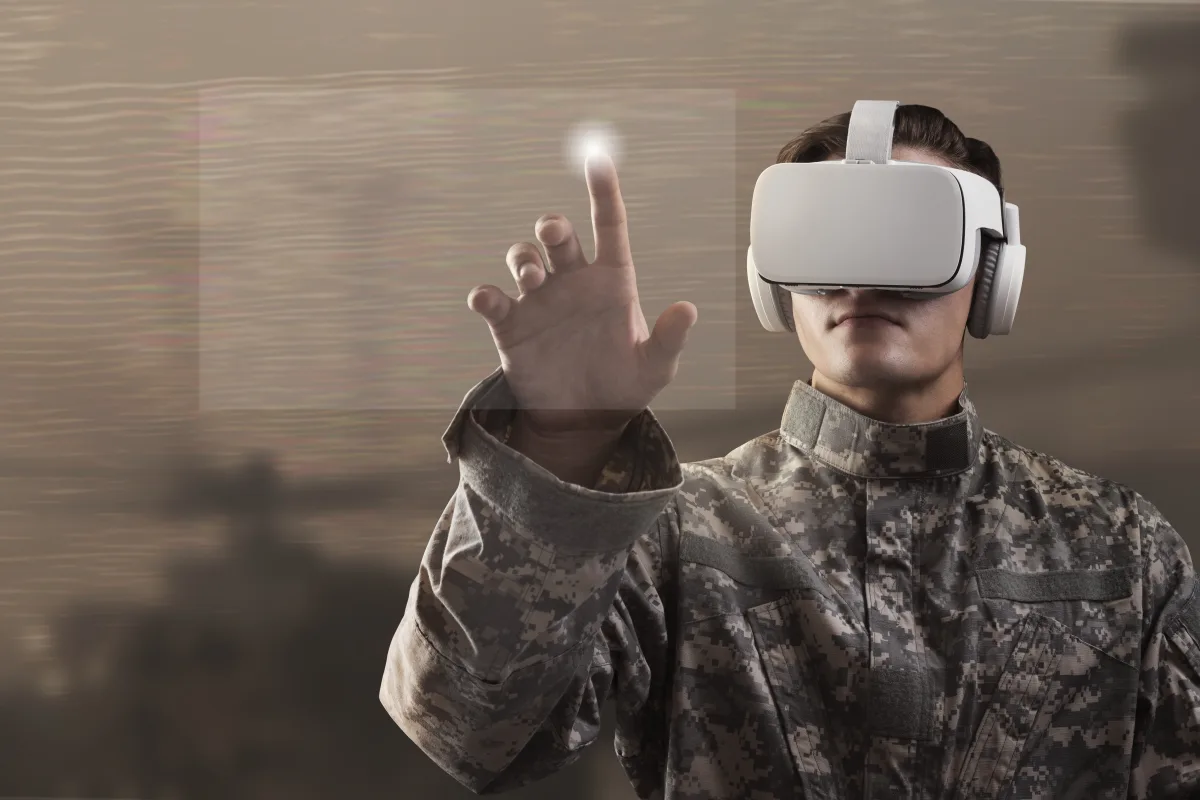
Cybersecurity requirements will continue evolving as wearable devices introduce additional sensors, wireless interfaces, and intelligent software features.
Manufacturers will need to address emerging attack methods while maintaining support for products already deployed in consumer environments.
The secure wearable AI market may also face new challenges involving software supply chains, synthetic data, and AI-generated outputs.
Preparing for New Cybersecurity Threats
Security planning should include vulnerability reporting procedures, product maintenance strategies, and appropriate responses to newly discovered technical weaknesses.
Organizations using wearables in sensitive operations should regularly review device configurations and the information shared with external systems.
These precautions can help reduce smartwatch-related national security risks without implying that every connected product is inherently unsafe.
Key Aspect | Competitive Considerations |
|---|---|
U.S. Innovation | Strong research institutions, technology companies, semiconductor expertise, and investment capabilities. |
Global Competition | International manufacturers compete through hardware innovation, software development, manufacturing capacity, and market reach. |
Data Privacy | Wearable products require appropriate controls for collecting, storing, processing, and sharing personal information. |
Cybersecurity Standards | NIST guidance provides foundational recommendations for connected device manufacturers. |
Supply Chain Security | Supplier evaluation, component integrity, and software verification remain important across international production networks. |
Future Outlook | Continued competition will depend on research investment, trustworthy products, and effective security practices. |
Frequently Asked Questions About Secure Wearable AI
What makes wearable AI security challenging?
Wearable devices can collect sensitive information while operating with limited battery capacity and processing resources. Protecting this information requires appropriate hardware, software, connectivity safeguards, and ongoing security maintenance.
How does China's approach differ from the U.S.?
China has significant electronics manufacturing capabilities and technology companies developing connected products. The United States has strengths in software, research, semiconductor design, and entrepreneurship. Individual product security should be evaluated using technical evidence rather than nationality alone.
Why is privacy important for wearable AI?
Connected wearables may collect location histories, activity patterns, biometric measurements, and other personal information. Appropriate privacy controls help reduce the possibility of unauthorized disclosure and inappropriate data use.
Are wearable AI devices vulnerable to cyberattacks?
Like other connected products, wearable devices can contain cybersecurity vulnerabilities. Actual risks depend on hardware design, software quality, connectivity, configuration, and manufacturer support.
What role do public-private partnerships play?
Partnerships can support cybersecurity research, information sharing, workforce development, and the creation of technical standards. Collaboration may help organizations address security challenges shared across the wearable technology industry.
How does European privacy regulation affect wearable technology?
European data protection rules can establish requirements for companies processing personal information within their scope. Manufacturers may need appropriate transparency, security measures, legal grounds for processing, and individual privacy controls.
Does on-device artificial intelligence guarantee privacy?
No. Local processing can reduce certain data transmission needs, but information stored or processed on a device may still face security risks. Strong privacy requires appropriate protections across the complete system.
What are the national security implications of insecure wearables?
In sensitive environments, compromised wearable devices could expose operational information, location data, or communications. Organizations should assess these national security risks using device-specific evidence and suitable protective measures.
What official cybersecurity guidance applies to wearables?
NIST provides guidance for connected device manufacturers, including foundational development activities and technical cybersecurity capabilities. These resources can support wearable security planning when applicable to the product.
Can the United States lead the global wearable AI market?
The United States has significant research and technology capabilities, but international leadership depends on innovation, manufacturing, affordability, security, and consumer adoption. Future results cannot be guaranteed.
Conclusion: Can the U.S. Compete in Secure Wearable AI?
The United States possesses important technological strengths, but competition in secure wearable AI will require sustained investment and practical security improvements.
Reliable connected devices depend on secure engineering, responsible information management, dependable updates, and cooperation across international technology ecosystems.
Ultimately, long-term leadership will depend on delivering innovative wearable products that consumers and organizations can use with confidence.
