Smartwatch Component Risk: Commerce Department Flags 40% as High-Risk
Anúncios
Smartwatch supply chain security is an important consideration for wearable device manufacturers and consumers in 2026. Understanding component sourcing, firmware vulnerabilities, supplier assessments, and privacy protections can help reduce security risks.
Smartwatch supply chain security is becoming increasingly relevant as wearable devices handle personal information and depend on components supplied by multiple manufacturers.
Smartwatches combine sensors, wireless connectivity, processors, firmware, and software services, creating several opportunities for cybersecurity vulnerabilities.
This guide explores supply chain risks, established federal guidance, manufacturer responsibilities, and practical ways consumers can protect their devices.
Understanding Smartwatch Supply Chain Security
Smartwatch supply chain security involves evaluating the companies, components, software, and manufacturing processes used to create connected wearable devices.
Modern smartwatches depend on complex production networks that may include semiconductor suppliers, component manufacturers, software developers, and assembly facilities.
Security problems introduced at any stage can affect the reliability, privacy, or integrity of the finished product.
Why Supply Chain Security Matters
Technology supply chains often involve several organizations with different responsibilities for design, production, testing, and distribution.
A manufacturer may have limited visibility into the security practices used by suppliers several levels removed from its direct operations.
Effective smartwatch supply chain security requires identifying these relationships and evaluating potential vulnerabilities before products reach consumers.
What Makes Smartwatch Components Vulnerable?
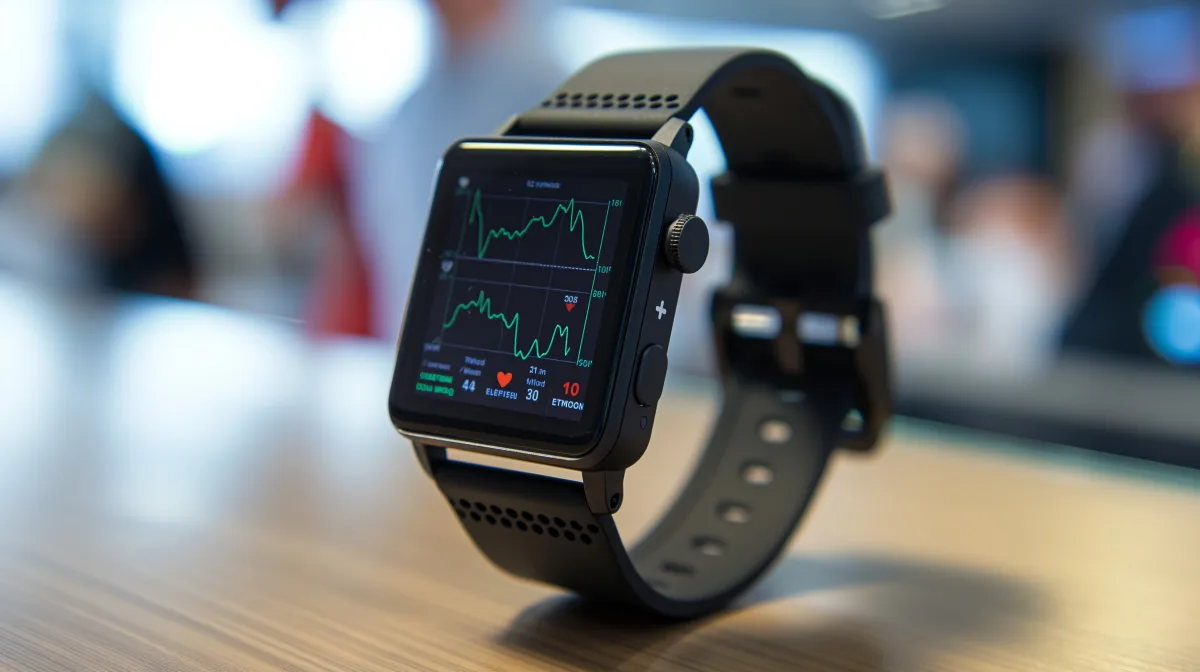
Components may present cybersecurity risks when they contain insecure firmware, weak authentication mechanisms, or insufficient protection against unauthorized modification.
Counterfeit parts and undocumented changes can also create concerns about product authenticity and reliability.
However, identifying a potential risk does not automatically mean a component contains malicious software or has been compromised.
Was There a Commerce Department Warning in 2026?
The original report claimed that the U.S. Commerce Department classified 40% of common smartwatch components as high-risk.
However, an official announcement or reliable industry dataset confirming that specific percentage could not be verified.
The broader subject of smartwatch supply chain security remains important, but the unverified statistic should not be presented as an established federal finding.
Understanding the Difference Between Risk and Confirmed Compromise
A security risk describes a potential weakness or threat that could affect a product under certain circumstances.
A confirmed compromise requires evidence that unauthorized activity, malicious modification, or another security incident actually occurred.
Responsible reporting distinguishes between these situations instead of treating every possible vulnerability as proof of an active attack.
What Federal Guidance Actually Says
The National Institute of Standards and Technology provides guidance for evaluating cybersecurity risks involving technology products and suppliers.
Its publications discuss issues such as counterfeit components, malicious functionality, weak development practices, and limited supply chain visibility.
These recommendations support a structured approach to security without establishing that a fixed percentage of smartwatch components is dangerous.
How Smartwatch Supply Chains Operate
A smartwatch may contain components developed and manufactured by multiple companies operating across different countries.
Processors, sensors, memory, displays, communication modules, and batteries may follow separate supply chains before final assembly.
Understanding these relationships is an important part of evaluating smartwatch supply chain security.
Component Design and Manufacturing
Electronic components begin with technical designs that establish their intended features, performance characteristics, and security requirements.
Manufacturing facilities then produce the components using specialized equipment, materials, and quality control procedures.
Security assessments may consider whether those processes protect product integrity and prevent unauthorized alterations.
Firmware and Software Integration
Smartwatch hardware depends on firmware and operating system software to control sensors, communication features, and user interactions.
Problems within these software layers can create security weaknesses even when the physical components function correctly.
Manufacturers therefore need processes for testing software, correcting vulnerabilities, and delivering appropriate updates.
Distribution and Final Assembly
Finished components may pass through transportation networks, distributors, and assembly facilities before reaching consumers.
Changes in custody can create opportunities for counterfeit substitutions, improper handling, or unauthorized modifications.
Traceability and supplier documentation help organizations investigate irregularities and confirm product authenticity.
Common Security Risks in Smartwatch Components
Smartwatch components can present different risks depending on their functions, connectivity, software, and manufacturing history.
Connectivity modules and data-processing components are particularly important because they may interact with sensitive user information.
Assessing smartwatch supply chain security requires understanding both technical weaknesses and the broader production environment.
Outdated Firmware and Missing Updates
Firmware vulnerabilities may remain unresolved when manufacturers do not provide updates or maintain adequate support procedures.
Older software can contain weaknesses that become easier to exploit after technical details are publicly disclosed.
Regular security maintenance helps reduce exposure, although software updates cannot correct every possible hardware problem.
Weak Encryption and Authentication
Encryption protects information by making it difficult to interpret without the appropriate cryptographic keys.
Poor implementation or weak key management can undermine these protections and expose communications or stored information.
Manufacturers should use established security practices rather than relying on undocumented or proprietary assumptions about protection.
Counterfeit Electronic Components
Counterfeit parts may imitate legitimate components while differing in quality, performance, or internal configuration.
These differences can create reliability problems and make security assessments more difficult.
Supplier verification and component traceability can help reduce the likelihood of counterfeit materials entering production.
Hardware Backdoors and Unauthorized Access
A hardware backdoor is a mechanism that may permit unauthorized access or bypass intended security protections.
Such mechanisms are a recognized concern in technology security discussions, but their existence must be demonstrated through evidence.
Claims that particular smartwatch components contain intentional backdoors should not be accepted without credible technical findings.
How Hardware Security Is Evaluated
Security specialists may examine component documentation, device behavior, firmware integrity, and available vulnerability reports.
Testing can identify weaknesses that affect access control, data protection, or the operation of connected features.
Results should be interpreted within the scope of the assessment rather than generalized to unrelated products or manufacturers.
Why Secure Boot Matters
Secure boot mechanisms help verify that authorized software is loaded during a device's startup process.
When implemented correctly, these mechanisms can make unauthorized firmware modifications more difficult to execute.
Secure boot is one useful protection within smartwatch supply chain security, but it does not eliminate every cybersecurity risk.
Smartwatch Data Privacy and Personal Information
Smartwatches may collect information about activity, sleep, movement, location, and interactions with connected applications.
The sensitivity of this information depends on the features enabled and the services used by the device owner.
Protecting personal information requires appropriate security controls across hardware, software, applications, and cloud services.
Health and Fitness Information
Wearable devices can record measurements such as heart rate, activity levels, and estimated sleep patterns.
Users should understand which measurements remain on the device and which are synchronized with connected services.
Privacy settings and clear manufacturer policies help consumers make informed decisions about sharing this information.
Location and Communication Data
Some smartwatches support location tracking, messages, calls, and other functions connected to personal accounts.
Unauthorized access to these features could create privacy concerns depending on the information available.
Appropriate permissions, account security, and manufacturer updates can help reduce certain risks.
Risks of Identity Theft and Fraud
Account compromises and exposure of personal information can contribute to fraud and other forms of unauthorized activity.
However, the presence of a vulnerable component does not automatically mean identity theft has occurred.
Users can review this identity theft protection guide for additional information about preventive security habits.
The Role of the U.S. Department of Commerce
The Department of Commerce participates in federal activities involving technology, industry, trade, and national security considerations.
Different offices within the department have distinct responsibilities, including activities related to certain technology supply chains.
These responsibilities should not be confused with an unverified announcement targeting 40% of smartwatch components.
Technology Supply Chain Oversight
Technology supply chains may attract government attention when they involve sensitive products, strategic dependencies, or national security concerns.
Regulatory assessments can focus on particular entities, technologies, transactions, or defined categories of risk.
Consumers should review the exact scope of any official action before assuming it applies to all connected devices.
Understanding National Security Concerns
National security assessments may consider supplier relationships, component provenance, technology access, and potential vulnerabilities.
However, a product's country of manufacture alone does not establish that it contains malicious functionality.
Reliable smartwatch supply chain security assessments depend on documented evidence and clearly defined risk criteria.
NIST Guidance for Cybersecurity Supply Chains
The National Institute of Standards and Technology has published guidance addressing cybersecurity risks across technology supply chains.
Its Cybersecurity Supply Chain Risk Management recommendations support the identification, assessment, and mitigation of risks involving suppliers.
These principles can inform manufacturer practices even when guidance is not specifically written for smartwatches.
NIST SP 800-161 Revision 1
NIST Special Publication 800-161 Revision 1 addresses cybersecurity supply chain risk management for systems and organizations.
The guidance considers risks involving supplier relationships, potentially malicious functionality, counterfeit components, and inadequate security practices.
Manufacturers can review the official NIST cybersecurity supply chain guidance to understand its recommended risk management framework.
The 2026 Supplier Due Diligence Guide
In July 2026, NIST published Special Publication 1326 concerning due diligence assessments for information and communications technology suppliers.
Its framework addresses supplier provenance, resilience, foundational cybersecurity practices, supply chain tiers, and foreign ownership or influence.
These considerations support smartwatch supply chain security by offering structured questions for evaluating technology suppliers.
What Manufacturers Can Do to Improve Security
Manufacturers play a central role in managing risks associated with the design, sourcing, and maintenance of connected devices.
Responsible practices include supplier assessments, software testing, component verification, and clear procedures for handling discovered vulnerabilities.
Improving smartwatch supply chain security requires ongoing attention rather than a single inspection before product launch.
Evaluate Suppliers Before Purchasing Components
Manufacturers should assess supplier reliability, security practices, product documentation, and relevant ownership relationships.
These reviews can help identify potential risks before components enter the production process.
Supplier assessments should use consistent criteria and account for the importance of each component within the finished device.
Maintain Component Traceability
Traceability records help manufacturers identify where components originated and how they moved through the supply chain.
These records may support investigations involving defective parts, counterfeit materials, or discovered vulnerabilities.
Clear documentation also helps organizations coordinate corrective actions with suppliers and distribution partners.
Establish Vulnerability Response Procedures
Security problems may be discovered after devices are released, making ongoing manufacturer support essential.
Companies should maintain procedures for evaluating reported vulnerabilities and delivering appropriate corrections.
Transparent security communications can help consumers understand whether they need to install updates or change device settings.
Protecting Your Smartwatch From Security Threats
Consumers cannot independently verify every component inside a smartwatch, but they can adopt useful security practices.
Keeping software updated, managing permissions, and protecting connected accounts can reduce exposure to common threats.
These actions support personal security even when supply chain risks cannot be fully evaluated by the device owner.
Install Software and Firmware Updates
Use manufacturer-supported update channels and install important security patches when they become available.
Updates may correct known software vulnerabilities and improve device reliability or account protection.
A smartwatch that no longer receives security support may require additional consideration when evaluating continued use.
Review Application Permissions
Connected applications may request access to location, health information, notifications, or other device features.
Review these permissions and disable access that is unnecessary for the application's intended function.
Limiting unnecessary permissions can reduce the amount of information available to applications that do not require it.
Protect Your Device and Accounts
Enable a device passcode or another available authentication method appropriate to the smartwatch.
Use strong account credentials and multifactor authentication where supported by the associated services.
These protections help reduce unauthorized access if the smartwatch or connected account is lost or compromised.
How to Choose a More Secure Smartwatch
Security should be considered alongside battery life, design, compatibility, health features, and price when comparing wearable devices.
Manufacturers differ in the availability of software updates, transparency, vulnerability reporting, and privacy controls.
Evaluating these characteristics can support more informed decisions about smartwatch supply chain security.
Check the Manufacturer's Support Policy
Look for information about the expected software support period and the availability of security updates.
Longer support may help address vulnerabilities discovered after a device has been purchased.
However, support duration alone does not establish that a product is free from security weaknesses.
Review Privacy Policies and Data Controls
Understand what information the device collects and whether it is processed locally or transferred to external services.
Check available options for managing permissions, deleting stored information, and limiting data sharing.
Clear privacy controls can make it easier to use connected features according to personal preferences.
Research Independent Security Information
Look for credible security assessments, manufacturer advisories, and documented vulnerability reports involving the device model.
Distinguish between confirmed technical findings and unsupported claims circulating through social media.
Additional background is available in this article about smartwatch national security risks.
How Security Problems Can Affect Manufacturers
Supply chain vulnerabilities may create financial and operational difficulties for companies that produce connected wearable devices.
Corrective actions can require additional testing, software updates, supplier investigations, or changes to product manufacturing.
The actual impact depends on the severity of the issue and the number of affected products.
Production Costs and Supplier Changes
Replacing a supplier can require compatibility testing, new contracts, and adjustments to production schedules.
Alternative components may also have different prices, technical specifications, and delivery conditions.
These potential consequences illustrate why preventive smartwatch supply chain security assessments are important.
Product Reliability and Customer Trust
Security incidents can affect consumer confidence when manufacturers fail to explain problems or provide timely corrections.
Clear communication and effective support procedures may help customers understand necessary protective actions.
Maintaining reliable products requires attention to both cybersecurity and ordinary manufacturing quality.
Security Standards and Regulatory Considerations
Connected device manufacturers may need to consider cybersecurity standards, privacy laws, and product requirements in different jurisdictions.
The applicable obligations depend on the product, market, intended use, and relevant legal framework.
General security guidelines should not be treated as proof that every smartwatch is subject to identical certification requirements.
NIST Cybersecurity Framework
The NIST Cybersecurity Framework provides an approach for organizations seeking to understand and manage cybersecurity risks.
Its principles address governance, identification, protection, detection, response, and recovery.
Manufacturers can use these concepts alongside more specific supply chain risk management practices.
International Security Standards
International standards may provide additional guidance for information security management and related organizational processes.
Organizations should identify which standards apply to their operations and whether certification claims are independently verifiable.
Compliance with one standard does not automatically establish complete protection against all possible vulnerabilities.
Emerging Technologies for Supply Chain Protection
Technology companies continue exploring methods for improving component authentication, firmware integrity, and the detection of unusual behavior.
These methods can support stronger defenses when combined with established supplier management and security processes.
However, emerging technologies should be evaluated according to demonstrated capabilities rather than marketing promises.
Hardware Root of Trust
A hardware root of trust provides a foundation for security functions such as cryptographic verification and trusted device startup.
Appropriate implementation can help protect important operations from certain forms of unauthorized modification.
These mechanisms are useful elements of smartwatch supply chain security, although implementation quality remains essential.
Secure Elements and Sensitive Information
Secure elements are specialized components designed to help protect particular cryptographic operations or sensitive information.
They may support applications involving authentication, payment credentials, and other security functions.
Actual protection depends on device architecture and how securely the surrounding software and services operate.
Artificial Intelligence in Security Monitoring
Automated monitoring tools may help organizations identify unusual patterns in device operations or production environments.
Machine learning can support certain detection activities, but its results require appropriate validation and human oversight.
AI-based monitoring should complement established security practices rather than replace supplier audits and technical assessments.
The Future of Smartwatch Supply Chain Security
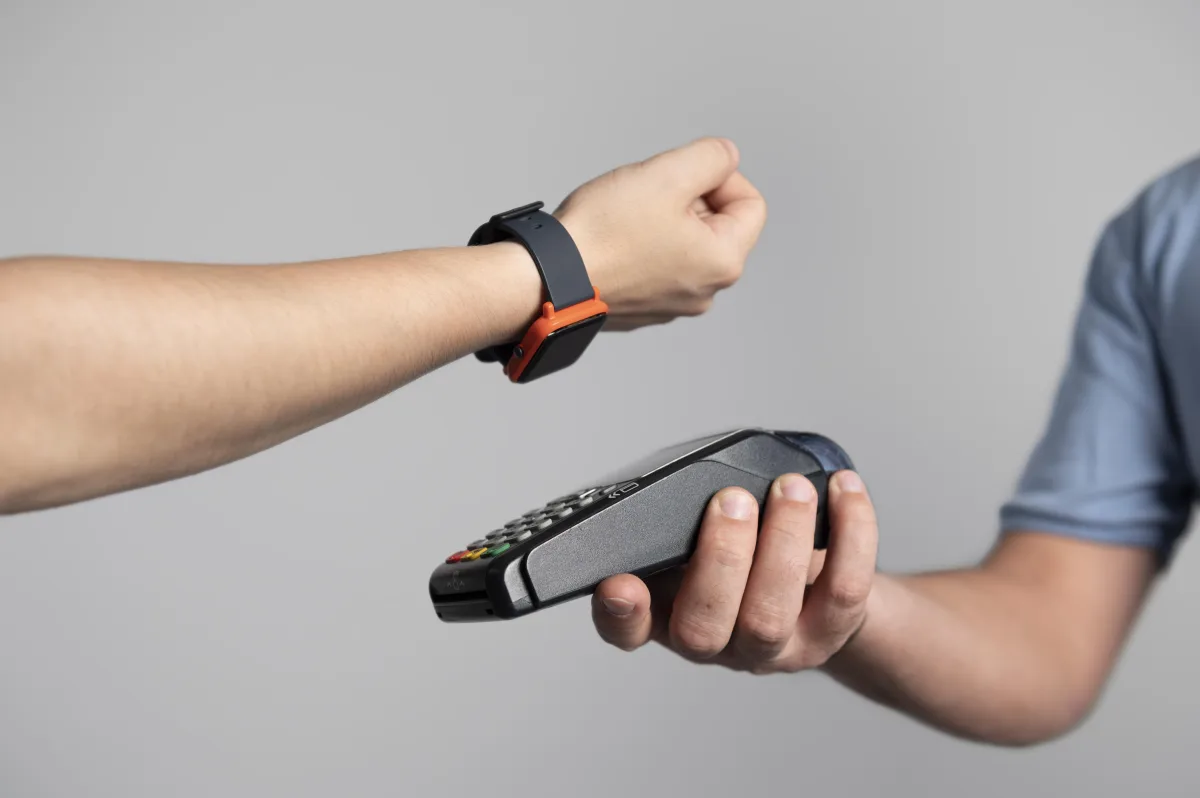
The future of smartwatch supply chain security will depend on how manufacturers manage increasingly complex hardware and software relationships.
Supplier due diligence, secure development practices, and ongoing vulnerability management remain important areas of attention.
Consumers also benefit when companies communicate security policies clearly and provide reliable software support throughout a device's useful life.
Improving Supplier Transparency
Better supplier documentation can help manufacturers understand where components originate and which organizations participate in production.
This information supports risk assessments and can improve responses when a security or quality issue is identified.
Transparency should be supported by verifiable records rather than unsupported assurances about product security.
Building Security Into Product Design
Security-by-design approaches encourage manufacturers to consider cybersecurity during initial product development.
These practices can include authentication, update mechanisms, secure configurations, and appropriate software testing.
Early planning may help reduce the cost and complexity of correcting certain problems after release.
Smartwatch Security: Key Points to Remember
Smartwatch supply chain security involves managing risks associated with components, firmware, suppliers, and connected software services.
Official NIST publications provide established guidance for supplier assessment and technology supply chain risk management.
The table below summarizes the main findings while distinguishing documented security concerns from the unverified 40% claim.
Key Point | Brief Description |
|---|---|
Claimed Commerce Department Alert | The claim that 40% of common smartwatch components were officially classified as high-risk could not be verified. |
Supply Chain Risks | Potential concerns include counterfeit components, insecure firmware, unauthorized modifications, and inadequate supplier security practices. |
Official Guidance | NIST SP 800-161 Revision 1 and SP 1326 provide supply chain risk management and supplier due diligence guidance. |
Manufacturer Responsibilities | Supplier assessments, secure development, component verification, and vulnerability response procedures. |
Consumer Protection | Install security updates, review permissions, protect accounts, and follow verified manufacturer advisories. |
Future Security | Improved traceability, hardware security mechanisms, and continued supplier risk assessments can strengthen device protection. |
Frequently Asked Questions About Smartwatch Security
Did the Commerce Department flag 40% of smartwatch components as high-risk?
No official announcement or reliable dataset confirming that specific percentage was identified. The claim should not be presented as a verified Commerce Department finding.
What is smartwatch supply chain security?
It involves identifying and managing security risks associated with the suppliers, electronic components, manufacturing processes, firmware, and software used in smartwatches.
What makes a smartwatch component high-risk?
Potential risks include insecure firmware, counterfeit parts, weak cryptographic protections, unauthorized modifications, and inadequate supplier security practices. Actual risk depends on technical evidence and context.
Should I stop using my current smartwatch?
Not solely because of an unverified industry-wide claim. Review manufacturer advisories, install available updates, and investigate any confirmed security issues affecting your specific device.
What personal information can smartwatches collect?
Depending on the model and enabled features, smartwatches may handle activity measurements, health-related information, location data, notifications, and connected account information.
Can a smartwatch contain a hardware backdoor?
Hardware backdoors are a recognized cybersecurity concern, but claims involving a particular smartwatch require credible technical evidence. A potential risk is not proof that a device has been compromised.
How can manufacturers improve smartwatch security?
Manufacturers can evaluate suppliers, verify component authenticity, test software, implement secure update mechanisms, and maintain procedures for responding to discovered vulnerabilities.
What does NIST recommend about supply chain security?
NIST provides guidance for identifying, assessing, and mitigating technology supply chain risks, including supplier due diligence and organizational risk management practices.
Do software updates protect smartwatch users?
Updates can correct certain vulnerabilities and improve security, but they cannot eliminate every possible hardware, software, or supply chain risk.
Can smartwatch components expose location or health data?
Vulnerabilities involving device software or connected services may create risks to sensitive information. Whether exposure is possible depends on the specific weakness and protections in place.
Does a component's manufacturing country determine its security?
No. Supplier location may be one consideration in a broader assessment, but security conclusions require evidence involving actual products, practices, and risks.
Will smartwatch security concerns increase product prices?
Additional testing, supplier changes, or redesigned components may affect costs, but there is no verified basis for predicting a general price increase from the unconfirmed 40% claim.
What should consumers check before buying a smartwatch?
Review manufacturer support policies, software update availability, privacy settings, device authentication features, and credible information about known vulnerabilities.
Where can I find reliable smartwatch security information?
Consult official manufacturer security notices, NIST publications, credible cybersecurity research, and government advisories relevant to your device or its software.
Conclusion: Understanding Smartwatch Security Risks
Smartwatch supply chain security is an important part of protecting connected devices, personal information, and the integrity of modern wearable technology.
Although the claimed Commerce Department alert involving 40% of components remains unverified, official NIST guidance documents genuine risks involving technology suppliers.
Manufacturers can strengthen security through responsible supplier management, while consumers can reduce common risks by maintaining updated devices and protecting their accounts.
