Sanitizing Wearable Data: Federal Protocol 2026 Guide
Anúncios
Wearable data sanitization is an important security consideration for federal employees using smartwatches and other connected devices. These products can collect location, health, and communication information.
Protecting sensitive information requires appropriate device settings, approved security procedures, and careful data management. Requirements may differ depending on the federal agency and device.
This 2026 guide explains wearable data sanitization, relevant NIST guidance, common security risks, and practical considerations for handling wearable devices in government environments.
Understanding Federal Wearable Device Security Requirements in 2026
Federal employees may face restrictions on wearable technology when working with sensitive government information. Agency policies determine which devices are permitted in specific environments.
Although the term 2026 Federal Employee Security Protocol appears in some discussions, a universal federal standard with that exact title could not be verified.
For wearable data sanitization, an important reference is NIST SP 800-88 Revision 2. Published in September 2025, it provides guidance for organizational media sanitization programs.
The Development of Federal Data Security Guidance

Cybersecurity guidance evolves as organizations adopt new connected technologies. Wearable devices introduce additional considerations because they can collect and synchronize sensitive information.
The broader national security environment requires agencies to evaluate risks associated with unauthorized data collection. Location tracking and wireless connectivity deserve particular attention.
Modern wearable data sanitization practices should reflect current device capabilities. Agencies need methods that account for flash storage, encryption, connected applications, and synchronized cloud accounts.
Technological Changes: Modern wearables collect information through multiple sensors and applications.
Security Threats: Connected devices may expose sensitive data through unauthorized access or insecure configurations.
Updated Guidance: Organizations should follow current security standards and approved agency procedures.
Identifying Sensitive Data on Wearable Devices
Effective wearable data sanitization begins with understanding which information a device collects. Smartwatches and fitness trackers can store personal and potentially sensitive records.
Data categories may include location history, health measurements, notifications, contact information, and application activity. Some devices synchronize these records with smartphones or cloud services.
Employees should determine whether wearable information intersects with official duties. Agency security personnel can clarify which records require additional protection or handling restrictions.
Categories of Sensitive Data
Wearable devices can process different types of information depending on their sensors and installed applications. The sensitivity of those records depends on context and applicable requirements.
Location data may reveal travel patterns or visits to restricted facilities. Communication notifications can expose names, meeting details, or portions of sensitive messages.
During wearable data sanitization, employees should also consider synchronized information. Deleting records from a watch does not necessarily remove copies stored elsewhere.
Personally Identifiable Information: Names, identifiers, account details, and certain biometric records.
Location Information: GPS coordinates, movement history, and frequently visited locations.
Communication Records: Notifications, contacts, messages, and calendar information.
Operational Information: Data connected to official responsibilities or government activities.
Best Practices for Data Sanitization on Wearables
Wearable data sanitization involves applying an appropriate method to prevent unauthorized recovery of information. The required level of protection depends on data sensitivity.
NIST SP 800-88 Revision 2 emphasizes organizational sanitization programs and suitable technical controls. Agencies should select methods that match their security requirements.
Deleting files or performing a factory reset may not satisfy every sanitization objective. Employees should follow approved procedures rather than assume all reset features provide equivalent protection.
Recommended Sanitization Methods
Different storage technologies require different approaches to data removal. Modern wearables commonly use flash memory, which presents limitations for conventional overwriting techniques.
Cryptographic erase may be appropriate when supported by a properly implemented encryption system. Its effectiveness depends on how encryption keys are managed and destroyed.
For government wearable data sanitization, methods should be authorized and validated according to organizational requirements. Physical destruction may be necessary when acceptable logical methods are unavailable.
Approved Logical Sanitization: Use supported procedures appropriate to the device and storage technology.
Cryptographic Erase: May render encrypted information inaccessible when implemented and verified correctly.
Factory Reset: Can remove user settings and data, but may not independently satisfy every sanitization requirement.
Physical Destruction: May be appropriate for certain devices when performed through an authorized process.
Why Flash Memory Requires Special Attention
Flash storage handles information differently from traditional magnetic media. Internal management mechanisms can prevent ordinary software overwriting from reaching every stored data location.
Consequently, repeated overwriting should not automatically be treated as a reliable sanitization method. Degaussing is also unsuitable for flash-based wearable storage.
A secure wearable data sanitization process should account for these limitations. Technical specialists should verify manufacturer-supported capabilities before selecting a method.
Implementing a Data Sanitization Schedule and Policy
Organizations benefit from documented procedures describing how wearable devices are managed throughout their lifecycle. These procedures should identify responsibilities and approval requirements.
A wearable data sanitization policy can establish when devices require assessment, data removal, or secure disposal. Specific schedules depend on agency rules and information sensitivity.
Regular reviews may also help identify unnecessary stored information and insecure settings. However, employees should not independently delete records subject to retention or preservation requirements.
Key Elements of a Sanitization Policy
An effective policy defines which devices and data categories fall within organizational requirements. It should also identify the personnel authorized to perform sanitization.
Documentation requirements can support accountability when devices are reassigned, retired, or destroyed. Records should describe the approved method and verification performed.
The success of wearable data sanitization also depends on employee training. Clear instructions help personnel distinguish routine privacy settings from formal data sanitization procedures.
Review Schedule: Establish intervals based on agency requirements and operational risks.
Trigger Events: Define procedures for device reassignment, disposal, loss, or suspected compromise.
Approved Methods: Specify suitable sanitization techniques and validation requirements.
Documentation: Record device identifiers, responsible personnel, dates, and completed actions.
Training: Educate employees about device restrictions and proper data handling.
Challenges and Solutions in Wearable Data Security
Wearable technology presents security challenges because devices differ in operating systems, connectivity features, and storage architecture. Not every model supports the same administrative controls.
Reliable wearable data sanitization also requires attention to connected smartphones and cloud accounts. Information may remain accessible outside the wearable after local deletion.
Agencies should evaluate device capabilities before authorizing workplace use. Unsupported products may create difficulties for security monitoring, configuration, and eventual disposal.
Addressing Common Security Hurdles
One challenge involves maintaining consistent policies across different wearable manufacturers. Device-specific features can influence encryption, access restrictions, and available reset procedures.
Another concern is exposure to cyber threats through applications and wireless connections. Security controls should address the broader environment surrounding each device.
Effective wearable data sanitization requires cooperation between employees and IT administrators. Organizations should establish clear reporting channels and appropriate technical safeguards.
Device Management: Use approved management tools when supported by the wearable platform.
Encryption: Evaluate available protection for stored and transmitted information.
Application Controls: Review installed applications and requested permissions.
Security Assessments: Identify vulnerabilities and verify device configurations.
The Future of Wearable Data Security and Compliance
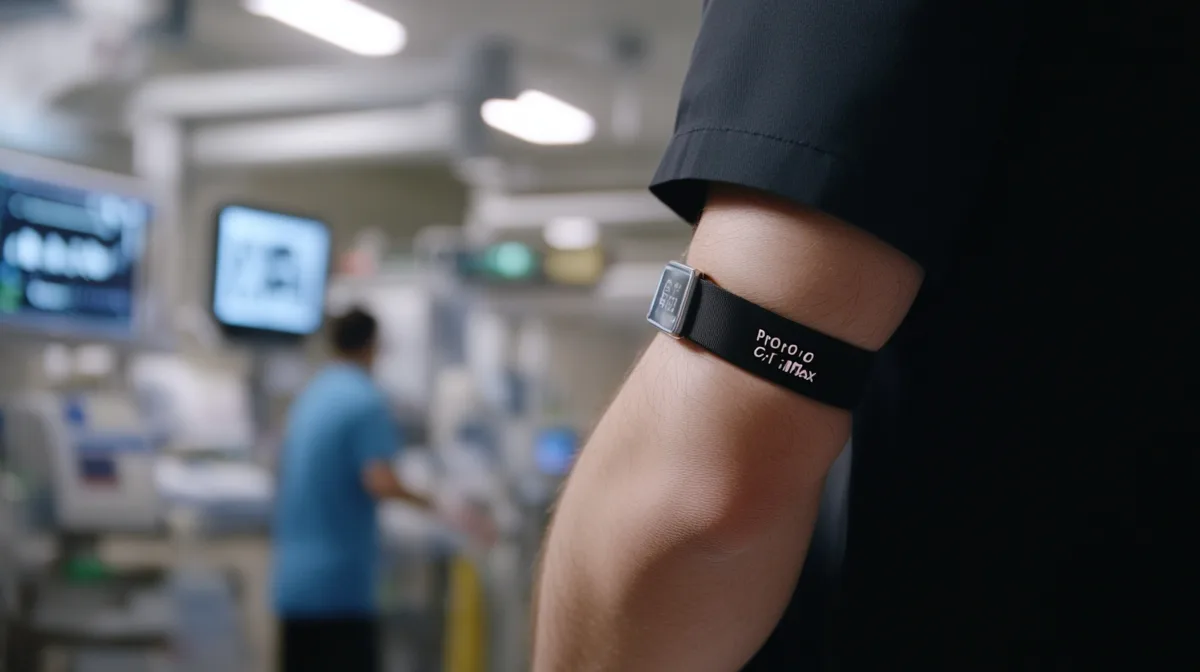
Wearable devices continue evolving through improved sensors, connectivity, and local processing capabilities. These developments may introduce additional security considerations for government organizations.
Future wearable data sanitization methods may need to account for complex encryption systems and distributed storage. Agencies will also need to evaluate new device management technologies.
Cybersecurity guidance should adapt as technology changes. However, specific future federal requirements cannot be assumed before they are formally published by responsible authorities.
Emerging Trends and Considerations
Biometric authentication, artificial intelligence, and edge computing are increasingly relevant to wearable development. Each technology can introduce additional data protection requirements.
Interconnected environments also create security challenges because information may move between wearables, smartphones, applications, and cloud services.
The future of wearable data sanitization will depend on reliable security controls and updated technical guidance. Organizations should evaluate emerging technologies before introducing them into sensitive environments.
Biometric Security: Protect sensitive measurements and authentication-related information.
Artificial Intelligence: Evaluate risks associated with local processing and connected AI services.
Cryptographic Development: Monitor relevant encryption standards and future security requirements.
Connected Ecosystems: Consider vulnerabilities involving smartphones, cloud platforms, and IoT devices.
Practical Steps Before Resetting or Disposing of a Wearable
Before attempting wearable data sanitization, employees should verify whether the device is personally owned or government-managed. Ownership and agency policy influence the required process.
Government devices may contain information subject to retention requirements or incident investigations. Unauthorized deletion could interfere with official responsibilities.
Consult agency IT or security personnel before performing an irreversible operation. Approved procedures may include preserving records, disabling access, or transferring the device for controlled disposal.
Preparing the Device for Authorized Sanitization
Start by identifying the wearable model, operating system, and associated accounts. This information helps administrators determine which sanitization methods are supported.
Next, review whether the device stores official information or connects to government systems. Any required preservation or transfer activities should occur before sanitization.
For wearable data sanitization, the final step involves following the agency-approved procedure. Verification and documentation may be required before the device can be reused or discarded.
Confirm Ownership: Determine whether the device is personal or government-managed.
Review Data: Identify sensitive records and applicable retention requirements.
Obtain Authorization: Follow agency-approved technical and administrative procedures.
Verify Completion: Document the result when required by organizational policy.
Cloud Accounts and Synchronized Wearable Information
Wearables frequently synchronize information with mobile applications and cloud accounts. This creates separate data locations that may remain accessible after a device reset.
A complete wearable data sanitization assessment should identify relevant storage locations and account connections. Local removal does not automatically eliminate synchronized copies.
Organizations must also consider applicable retention rules when managing cloud-based information. Employees should avoid deleting official records without authorization.
Managing Data Beyond the Physical Device
Connected services may retain activity history, device backups, notifications, and account settings. Their retention and deletion capabilities vary by provider.
For wearable data sanitization, administrators should review available account controls and organizational requirements. Sensitive information may need separate treatment across different systems.
Removing account access can reduce some risks but is not equivalent to verified data destruction. Proper procedures should distinguish access revocation from sanitization.
Verification and Documentation of Sanitization
Verification helps determine whether a sanitization procedure achieved its intended confidentiality objective. The appropriate validation process depends on the method and device.
In federal environments, wearable data sanitization documentation may support internal accountability and compliance reviews. Recordkeeping expectations should follow agency policy.
NIST SP 800-88 Revision 2 emphasizes organizational controls for media sanitization. Selecting trustworthy methods and validating results are important parts of a responsible program.
What Sanitization Records Should Include
Records can identify the device, the responsible personnel, and the approved procedure used. Additional details may include the date and verification outcome.
Organizations should maintain these records according to their security and retention policies. Documentation practices may vary depending on device sensitivity and operational context.
Reliable wearable data sanitization requires more than performing a reset. The organization should be able to demonstrate that appropriate procedures were followed.
Device Identification: Model and relevant inventory information.
Sanitization Procedure: Approved method used to address stored information.
Responsible Personnel: Identification of authorized individuals involved.
Verification Result: Documentation of the required checks and outcome.
Key Point | Brief Description |
|---|---|
Federal Security Requirements | Wearable restrictions and handling procedures depend on agency policy and applicable security standards. |
Sensitive Information | Location, identification, communication, health, and operational records may require protection. |
Sanitization Methods | Approved logical methods, cryptographic erase, or destruction may be appropriate depending on the device and data. |
Compliance Challenges | Device diversity, cloud synchronization, application permissions, and storage architecture complicate security management. |
Verification | Appropriate validation and documentation help demonstrate that approved procedures were completed. |
Frequently Asked Questions About Wearable Data Sanitization
What is the primary purpose of federal wearable security requirements?▼
Federal security requirements aim to protect sensitive information and reduce risks associated with connected devices. No universal regulation titled 2026 Federal Employee Security Protocol could be verified. Employees should follow applicable agency policies and recognized guidance, including NIST SP 800-88 Revision 2 for media sanitization.
What types of data are considered sensitive on wearable devices?▼
Sensitive information may include location history, personal identifiers, biometric measurements, communication records, and information associated with official responsibilities. The applicable protections depend on the data and organizational requirements.
Is a factory reset sufficient for sanitizing wearable device data?▼
Not necessarily. A factory reset may remove user information and settings, but its suitability for formal sanitization depends on the device, encryption implementation, and required security level. Employees should use agency-approved procedures and verification methods.
How often should federal employees sanitize their wearable device data?▼
There is no universal sanitization schedule established by the unverified protocol mentioned in the original article. Agencies may set review intervals and define specific procedures for reassignment, disposal, or security incidents. Employees should follow their organization's current requirements.
What are the consequences of failing to follow wearable security requirements?▼
Consequences depend on applicable policies and the nature of the incident. Unauthorized data exposure can create privacy and security risks, while policy violations may require investigation or administrative action. Employees should report concerns through designated agency channels.
Conclusion: Strengthening Wearable Data Security in 2026
Wearable data sanitization is an important consideration for federal employees using connected devices. Effective security practices require awareness of sensitive information and organizational responsibilities.
Current NIST guidance provides a foundation for selecting and managing media sanitization procedures. Agency-specific policies determine how these principles apply to individual devices.
By following approved methods, protecting synchronized data, and documenting required actions, organizations can improve their security practices. Responsible management remains essential as wearable technology continues evolving.
