DHS Wearable Firmware Update: 90-Day Grace Period Ending
Anúncios
Wearable firmware security is an important cybersecurity priority in 2026, with United States federal guidance encouraging secure software updates, data protection, vulnerability management, and responsible manufacturing practices for connected devices.
Wearable firmware security is increasingly important as smartwatches, fitness trackers, and other connected devices collect and process sensitive personal information.
American cybersecurity agencies provide guidance to help manufacturers and consumers manage vulnerabilities, protect personal data, and maintain safer connected devices.
This guide explains federal cybersecurity recommendations, firmware update procedures, manufacturer responsibilities, and practical strategies for protecting wearable technology throughout 2026.
Understanding federal cybersecurity guidance for wearables
Connected wearable devices introduce cybersecurity considerations involving personal information, wireless communications, software vulnerabilities, and interactions with other connected electronic systems.
Federal agencies provide cybersecurity guidance addressing these challenges, particularly when connected devices are incorporated into government operations or sensitive environments.
Understanding wearable firmware security requires distinguishing official recommendations from legally binding requirements that apply to specific products, organisations, or government contracts.
Understanding the role of DHS and CISA

The Department of Homeland Security addresses various threats affecting American infrastructure, digital systems, public safety, and broader national cybersecurity interests.
The Cybersecurity and Infrastructure Security Agency provides resources supporting cybersecurity preparedness, vulnerability management, and the protection of essential digital infrastructure.
These activities contribute to broader national security objectives without automatically establishing identical firmware requirements for every commercially available wearable device.
Is there a mandatory 90-day firmware update deadline?
A universal ninety-day DHS deadline requiring every American consumer to update wearable firmware has not been established by the sources reviewed.
Specific government agencies, contracts, organisations, or security advisories may establish separate deadlines applicable to particular devices and operational environments.
Consumers should verify wearable firmware security requirements through official announcements rather than relying on unsupported claims about nationwide compliance deadlines.
The scope of wearable cybersecurity standards
Wearable cybersecurity encompasses several technical capabilities, including data protection, access controls, software integrity, vulnerability management, and reliable security update mechanisms.
The appropriate capabilities depend on device functionality, information sensitivity, intended users, and the environments where connected products operate.
Wearable firmware security therefore requires a comprehensive approach that considers both individual device characteristics and broader connected product ecosystems.
NIST cybersecurity guidance for connected devices
In April 2026, the National Institute of Standards and Technology released revised foundational cybersecurity guidance for manufacturers of Internet of Things products.
The official NIST IR 8259 Revision 1 provides recommendations for identifying cybersecurity requirements and addressing risks throughout connected product development.
These recommendations can help wearable manufacturers evaluate security capabilities while considering customer requirements, intended product usage, and ongoing technical support.
Data encryption and information protection
Wearable devices may process personal information involving physical activity, location, sleep patterns, communications, and other details associated with individual users.
Appropriate encryption mechanisms can help protect information during storage and transmission, depending on the device architecture and implemented security controls.
Data protection represents an important component of wearable firmware security, although encryption alone cannot eliminate every privacy or cybersecurity risk.
Secure boot and software integrity
Secure boot mechanisms can help compatible devices verify trusted software components before allowing those components to operate during device startup.
Firmware integrity protections may reduce the risk of unauthorized software modifications when supported by appropriate hardware and software security features.
Manufacturers should evaluate these capabilities according to their device architecture rather than assuming identical implementation requirements apply to every wearable product.
Authentication and access controls
Authentication mechanisms help verify authorized users before granting access to certain device functions, connected applications, or information stored within associated accounts.
Available protections may include passwords, passcodes, biometric authentication, and additional verification measures supported by the selected device and its companion applications.
Strong access controls complement wearable firmware security by reducing opportunities for unauthorized access without guaranteeing complete protection against every threat.
Why wearable cybersecurity matters for national security
Connected devices may introduce additional security considerations when used within government agencies, defense organizations, critical infrastructure facilities, and other sensitive environments.
Wearables can collect information about user activity, geographical movements, and personal routines, depending on their functions and enabled permissions.
Organizations should assess wearable firmware security alongside broader operational security requirements, device management policies, and information protection responsibilities.
Protecting critical infrastructure and sensitive data
Organizations operating critical infrastructure may establish specific restrictions governing personally owned devices, wireless communications, and the use of connected wearable technology.
These restrictions can help manage potential exposure of sensitive information and reduce unnecessary connectivity within environments requiring enhanced security controls.
Employees should follow their organization's authorized device policies rather than assuming a firmware update automatically makes every wearable suitable for sensitive locations.
Wearable technology in defense environments
Defense organizations may face additional concerns involving location tracking, operational information, electronic communications, and the management of personally owned connected devices.
Discussions surrounding wearable technology in national defense highlight the importance of distinguishing consumer features from requirements applicable to sensitive government operations.
Military personnel and government employees should verify applicable restrictions through authorized organizational channels before using wearable devices within regulated environments.
What manufacturers should do to strengthen wearable security
Manufacturers play an important role in developing secure connected products through appropriate design decisions, software development practices, and ongoing technical support.
Effective wearable firmware security requires identifying potential vulnerabilities before product distribution and addressing relevant security concerns throughout supported product lifecycles.
Manufacturers should communicate applicable security features, supported update procedures, and product limitations clearly to consumers and organizational customers.
Firmware development and security testing
Firmware developers should consider cybersecurity requirements during product design, implementation, testing, distribution, and subsequent maintenance of supported wearable devices.
Security assessments can help identify software weaknesses, inadequate authentication mechanisms, and other issues requiring attention before or after product release.
Testing should also evaluate whether security updates preserve essential device functions and remain compatible with the products they are intended to support.
Vulnerability management and responsible disclosure
Manufacturers should establish processes for receiving vulnerability reports, evaluating identified security issues, and determining appropriate responses according to their potential impact.
Responsible disclosure practices can help coordinate communication between manufacturers, security researchers, affected customers, and other relevant organizations.
Effective vulnerability management strengthens wearable firmware security by supporting timely responses to newly identified weaknesses throughout a product's supported lifecycle.
Certification and product documentation
Manufacturers may participate in cybersecurity certification initiatives or demonstrate conformity with requirements established by specific government contracts and commercial customers.
Documentation should accurately describe supported security capabilities, relevant certifications, available technical assistance, and the limitations associated with individual connected products.
Certification requirements differ between products and regulatory frameworks, so participation in one initiative does not automatically establish compliance with every applicable standard.
Communicating security updates to consumers
Manufacturers should provide accessible information about available updates, affected device models, installation procedures, and any important security improvements included within releases.
Clear explanations help consumers understand whether updates address software vulnerabilities, improve device functionality, or introduce changes affecting existing features.
Transparent communication supports wearable firmware security by helping users make informed decisions about maintaining their connected devices over time.
Understanding the US Cyber Trust Mark
The Federal Communications Commission established a voluntary cybersecurity labeling program for eligible wireless consumer Internet of Things products in the United States.
The Cyber Trust Mark is intended to help consumers identify participating products that satisfy the program's applicable baseline cybersecurity requirements.
Eligibility depends on the product category and certification rules, meaning consumers should verify whether individual wearable devices qualify for participation.
Is Cyber Trust Mark certification mandatory?
Participation in the FCC cybersecurity labeling program is voluntary and should not be confused with universal mandatory firmware update requirements.
Manufacturers participating in the program must satisfy applicable certification conditions before using the authorized cybersecurity label on qualifying consumer products.
Consumers should understand these distinctions when evaluating wearable firmware security claims made through advertising, product packaging, and manufacturer communications.
User responsibilities: updating wearable firmware
Consumers can contribute to device security by installing legitimate firmware updates, maintaining account protections, and reviewing the permissions granted to connected applications.
Official updates may address identified vulnerabilities, improve software stability, and introduce security capabilities supported by individual wearable devices.
Maintaining wearable firmware security involves regular attention to manufacturer recommendations rather than responding exclusively to unverified regulatory deadline announcements.
How to check for available firmware updates
Most wearable manufacturers provide firmware update information through official companion applications, device settings, customer support websites, or authorized notification systems.
Users should consult the instructions applicable to their specific device model before downloading or installing updates from any available source.
Avoid unofficial firmware downloads and unexpected messages requesting account credentials, payments, or personal information to complete supposedly mandatory security updates.
Preparing your wearable device for an update
Before installing an official update, ensure the wearable device and any required companion smartphone satisfy the manufacturer's recommended installation conditions.
These conditions may involve sufficient battery power, compatible software versions, available storage, and an appropriate network connection during installation.
Where supported, backing up important information can provide additional protection against unexpected problems occurring during major device software updates.
Installing updates through official channels
Use the manufacturer's official update mechanism and carefully follow the instructions displayed within the wearable device or its authorized companion application.
Avoid interrupting the installation process unless the manufacturer specifically provides instructions for safely addressing an update problem or interrupted connection.
These practices support wearable firmware security while reducing avoidable difficulties associated with incompatible downloads or improperly completed software installations.
Potential consequences of outdated wearable firmware
Devices using outdated firmware may remain exposed to previously identified vulnerabilities that have already been addressed through supported manufacturer security updates.
The significance of these vulnerabilities depends on device functionality, available security controls, network exposure, and the characteristics of individual software weaknesses.
Regular maintenance of wearable firmware security can reduce certain risks without establishing that every outdated device has already been compromised.
Risks involving personal information
Wearable devices may contain or access sensitive information associated with health-related measurements, personal activities, geographical locations, and connected user accounts.
Security vulnerabilities can potentially expose this information when appropriate protections are absent, incorrectly implemented, or affected by unauthorized access.
Users should review information-sharing settings and maintain supported software to reduce unnecessary exposure of personal information across connected services.
Potential device functionality problems
Outdated firmware may create compatibility difficulties when companion applications, smartphones, or associated cloud services introduce new software requirements.
Some manufacturers may discontinue selected features or technical support for older products as their supported software lifecycles reach established endpoints.
These changes should be distinguished from alleged government-imposed restrictions that have not been confirmed through applicable official regulatory announcements.
Legal and regulatory considerations for manufacturers
Manufacturers may have obligations arising from applicable consumer protection rules, contractual arrangements, privacy requirements, and product-specific regulatory frameworks.
Potential legal consequences depend on the particular requirements involved, the manufacturer's conduct, and the circumstances surrounding identified security failures.
Wearable firmware security should therefore be addressed through documented compliance assessments rather than assumptions about automatic nationwide fines or sales prohibitions.
The future of wearable security and compliance
Connected product development continues evolving as manufacturers introduce additional sensors, wireless capabilities, cloud-based services, and increasingly sophisticated wearable computing functions.
These developments create opportunities for innovation while introducing cybersecurity considerations involving device integrity, personal information, and the protection of connected accounts.
The future of wearable firmware security will depend on effective product design, reliable maintenance practices, and appropriate responses to emerging vulnerabilities.
Security by design in wearable technology
Security by design encourages manufacturers to consider cybersecurity requirements during initial product planning instead of treating them exclusively as later software improvements.
This approach may involve appropriate hardware protections, secure development practices, reliable authentication mechanisms, and carefully planned software maintenance capabilities.
Integrating security considerations early can help manufacturers address potential weaknesses before products become widely available to consumers and organizations.
Artificial intelligence and security monitoring
Artificial intelligence may support selected cybersecurity functions involving abnormal activity detection, security analysis, and the prioritization of potential technical concerns.
However, automated systems can produce incorrect conclusions and require appropriate evaluation before being trusted with significant security-related decisions.
AI-based tools may complement wearable firmware security, but they do not replace fundamental protections, reliable updates, and responsible product development.
Transparency and long-term manufacturer support
Consumers may benefit from clearer information about supported product lifecycles, security update availability, and the handling of personal information.
Published support periods can help customers evaluate whether connected devices remain appropriate for their intended use throughout anticipated ownership periods.
Manufacturers providing transparent maintenance policies can help consumers make informed decisions when selecting wearable products and managing existing connected devices.
Maintaining ongoing wearable firmware security
Cybersecurity remains an ongoing responsibility because connected products may encounter new vulnerabilities throughout their operational lifecycles and changing technological environments.
Manufacturers and consumers can support device protection through regular maintenance, appropriate information management, and awareness of relevant security announcements.
Wearable firmware security should remain a continuous practice rather than an activity performed exclusively in response to specific compliance deadlines.
Enabling automatic updates when available
Automatic update features can help compatible wearable devices receive supported software improvements without requiring users to manually check for every release.
Consumers should review available update settings and understand whether installation requires additional confirmation, charging conditions, or a connected companion smartphone.
Automatic installation can simplify device maintenance, although users should continue monitoring important manufacturer announcements and relevant product support information.
Using strong passwords and account protections
Strong, unique passwords can help protect accounts associated with wearable devices, particularly when those accounts provide access to sensitive personal information.
Enable additional authentication options when available and appropriate, including multifactor authentication for associated accounts and supported device-level access protections.
These practices strengthen wearable firmware security efforts by addressing risks associated with unauthorized access to connected accounts and applications.
Reviewing application permissions
Wearable companion applications may request access to location information, physical activity measurements, contacts, notifications, and other information stored on connected devices.
Review these permissions periodically and consider whether each application requires the requested information to provide its intended functions.
Limiting unnecessary permissions can reduce certain privacy risks while preserving access to the wearable features that remain important to individual users.
Maintaining secure wireless connections
Wearables frequently communicate with smartphones and other devices through Bluetooth, Wi-Fi, or additional wireless technologies supported by their hardware.
Users should avoid accepting unexpected pairing requests and review connected devices when they suspect unfamiliar equipment has received account access.
Appropriate wireless settings and trusted connections complement wearable firmware security by reducing unnecessary exposure to unfamiliar devices and network environments.
Recognizing unsupported and outdated wearable devices
Manufacturers may eventually discontinue software updates and technical support for older wearable devices according to their established product maintenance policies.
Continued operation does not necessarily indicate that a device receives current security updates or remains suitable for handling sensitive personal information.
Consumers should evaluate wearable firmware security support when deciding whether to continue using, restrict, or replace an older connected device.
Checking manufacturer support periods
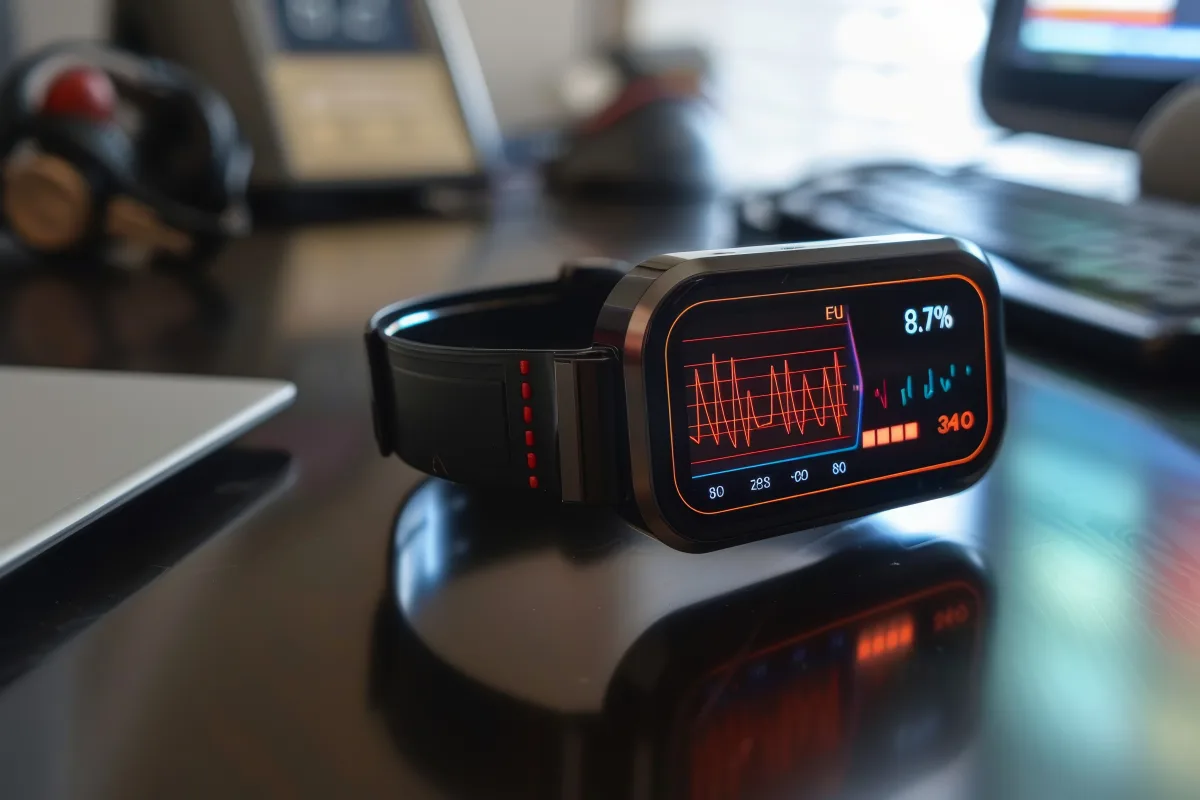
Consult official product documentation and customer support resources to determine whether your wearable device remains eligible for supported firmware updates.
Pay particular attention to announcements concerning discontinued software versions, end-of-support dates, and changes affecting companion applications or connected services.
Understanding these policies can help users anticipate future compatibility issues and make more informed decisions about maintaining existing wearable products.
Safely retiring an old wearable device
Before selling, donating, or recycling a wearable, follow the manufacturer's instructions for removing personal information and disconnecting associated user accounts.
Review connected applications and remove unnecessary account authorizations to reduce continued access through devices that are no longer personally controlled.
Responsible device retirement forms another important component of wearable firmware security and broader personal information management practices.
Key Aspect | Brief Description |
|---|---|
Update Deadlines | No universal 90-day DHS wearable firmware update deadline was identified in the official sources reviewed. Specific requirements may apply in regulated environments. |
Federal Cybersecurity Guidance | NIST cybersecurity guidance addresses secure updates, data protection, and vulnerability management for connected devices. |
Manufacturer Action | Develop, test, and distribute secure firmware updates while maintaining transparent product support and vulnerability management practices. |
User Responsibility | Promptly install firmware updates to secure devices and avoid personal security risks. |
Frequently Asked Questions About Wearable Firmware Updates
What is wearable firmware security?
Wearable firmware security involves protecting the embedded software that controls smartwatches, fitness trackers, and other wearable devices. It includes secure update mechanisms, software integrity protections, authentication, and vulnerability management.
Has DHS established a mandatory 90-day firmware update deadline?
No universal ninety-day deadline applicable to all consumer wearable devices was identified in the official sources reviewed. Specific government organizations, contracts, and security policies may establish their own requirements.
What cybersecurity guidance applies to wearable manufacturers in 2026?
NIST provides cybersecurity guidance for manufacturers of connected products, including NIST IR 8259 Revision 1 and the associated IoT cybersecurity capability baselines. Applicable legal obligations depend on the product and regulatory context.
How do I know if my wearable needs a firmware update?
Check the manufacturer's official companion application, device settings, or customer support website. Available updates and installation requirements vary depending on the device model and supported software versions.
What are the risks of outdated wearable firmware?
Outdated firmware may leave devices exposed to known vulnerabilities, unauthorized information access, compatibility problems, and other security concerns. The actual risks depend on the specific device and affected software components.
Will updating firmware affect my personal information?
Official updates generally aim to preserve device functionality and user information, although unexpected problems can occur. Follow manufacturer instructions and back up important information when supported.
Is the US Cyber Trust Mark mandatory?
No. The FCC's cybersecurity labeling initiative is voluntary for participating manufacturers of eligible wireless consumer IoT products. Certification requirements apply to products seeking authorization to use the label.
Can wearable devices be used in military environments?
That depends on applicable military or organizational policies. Personnel should verify authorized device restrictions, location-tracking requirements, and operational security procedures before using wearable technology in sensitive environments.
Does installing firmware guarantee complete cybersecurity?
No. Firmware updates can address particular vulnerabilities, but comprehensive device security also depends on account protections, application permissions, manufacturer support, and other technical and operational factors.
Should I replace a wearable that no longer receives updates?
Consider the sensitivity of information processed by the device, available security protections, and the manufacturer's support status. Replacement or restricted use may be appropriate when important security vulnerabilities can no longer be addressed.
Can automatic updates improve wearable firmware security?
Yes. Automatic updates may simplify the installation of available security improvements. However, users should still review manufacturer notices and confirm that their devices remain within supported software lifecycles.
Where can consumers find reliable wearable security information?
Official manufacturer support websites, federal cybersecurity resources, and NIST publications provide useful information about connected device security, supported updates, and responsible product maintenance practices.
Conclusion
Wearable firmware security remains an important consideration for American consumers, manufacturers, government organizations, and institutions managing sensitive information through connected devices.
Official cybersecurity guidance, reliable firmware updates, responsible manufacturing practices, and appropriate account protections can help reduce exposure to evolving digital threats.
By following verified recommendations rather than unsupported compliance deadlines, users can maintain more secure devices while protecting personal information and digital privacy.
